Formwork Products and Accessories

Formwork accessories, fillets, ferrules, tie systems and related products for concrete shuttering.

24 active products

Formwork Products & Accessories Guide

Formwork products and accessories are used to assemble, support, align, seal and secure temporary shuttering systems during concrete construction.

A complete formwork system may use a combination of tie rods, ferrule tubes, cones, nuts, washers, clamps, wedges, walers, corner components, sealing products and finishing accessories.

Konsa supplies a broad range of formwork and shuttering accessories for reinforced concrete construction, precast applications and general building work.

What Are Formwork Accessories?

Formwork accessories are the individual components used together with shutter panels and supporting structures to create a stable temporary mould into which concrete can be placed.

Different accessories perform different functions. Some components hold opposing shutters together, others connect panels or walers, while sealing and finishing products help control grout loss and improve the resulting concrete finish.

The correct accessories depend on the formwork system, concrete element, shutter arrangement and engineered construction method.

Common Types of Formwork Products

  • Tie Systems

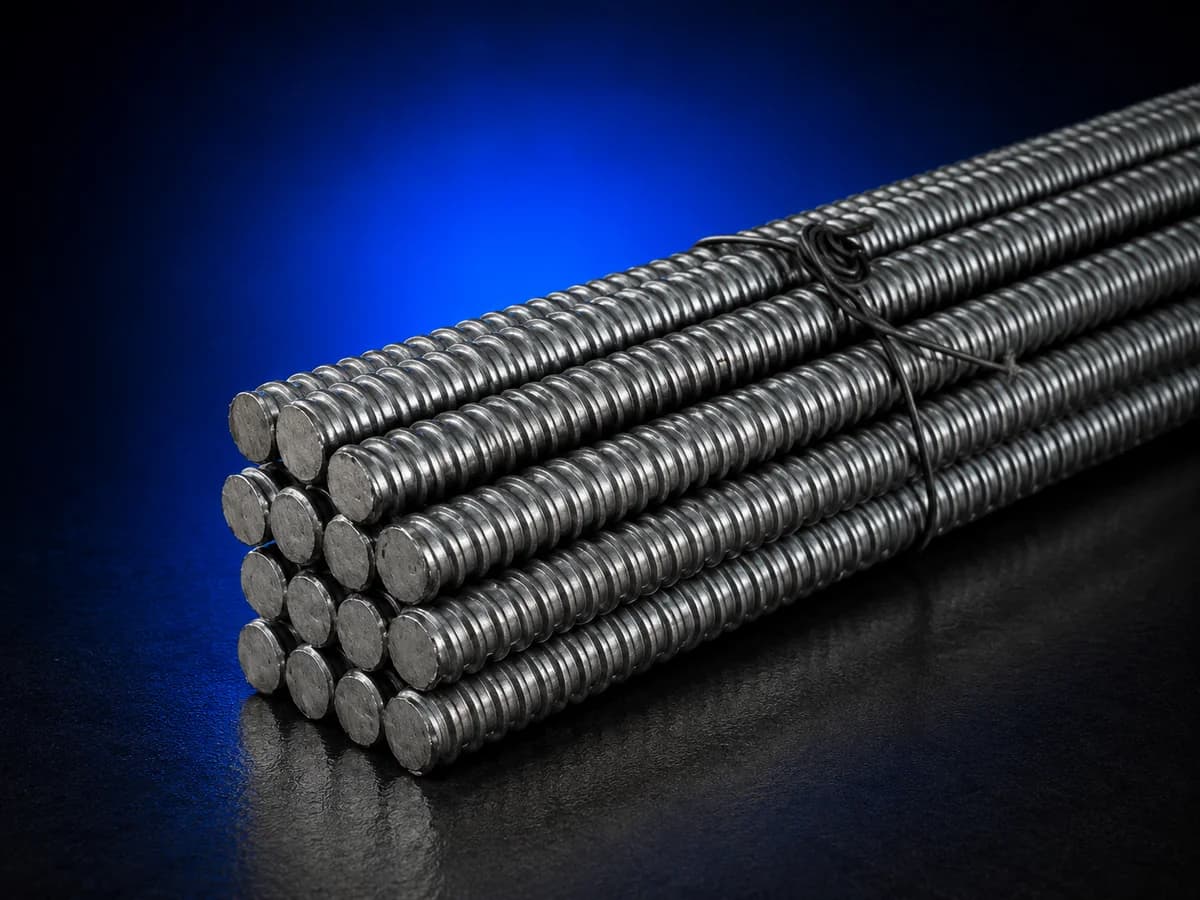
    Tie rods, ferrule tubes, cones, nuts and washers are used together in suitable systems to secure opposing shutters and maintain the required formwork arrangement.

  • Formwork Fasteners

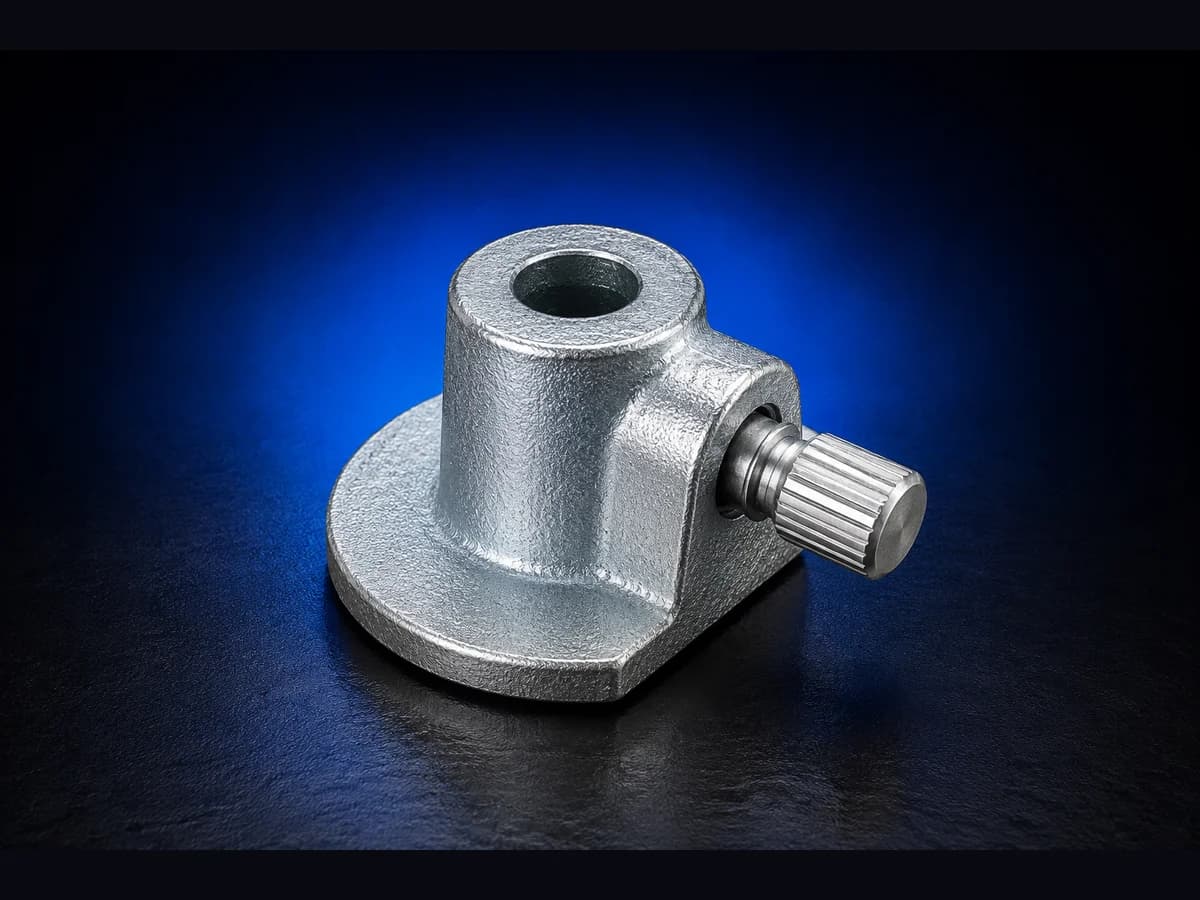
    Clips, wedges, clamps and related fastening components provide mechanical connections between compatible shutter panels and supporting members.

  • Waler Accessories

    Waler clips and related components connect shutter panels to supporting walers and help form part of the overall load-supporting formwork structure.

  • Corners and Profiles

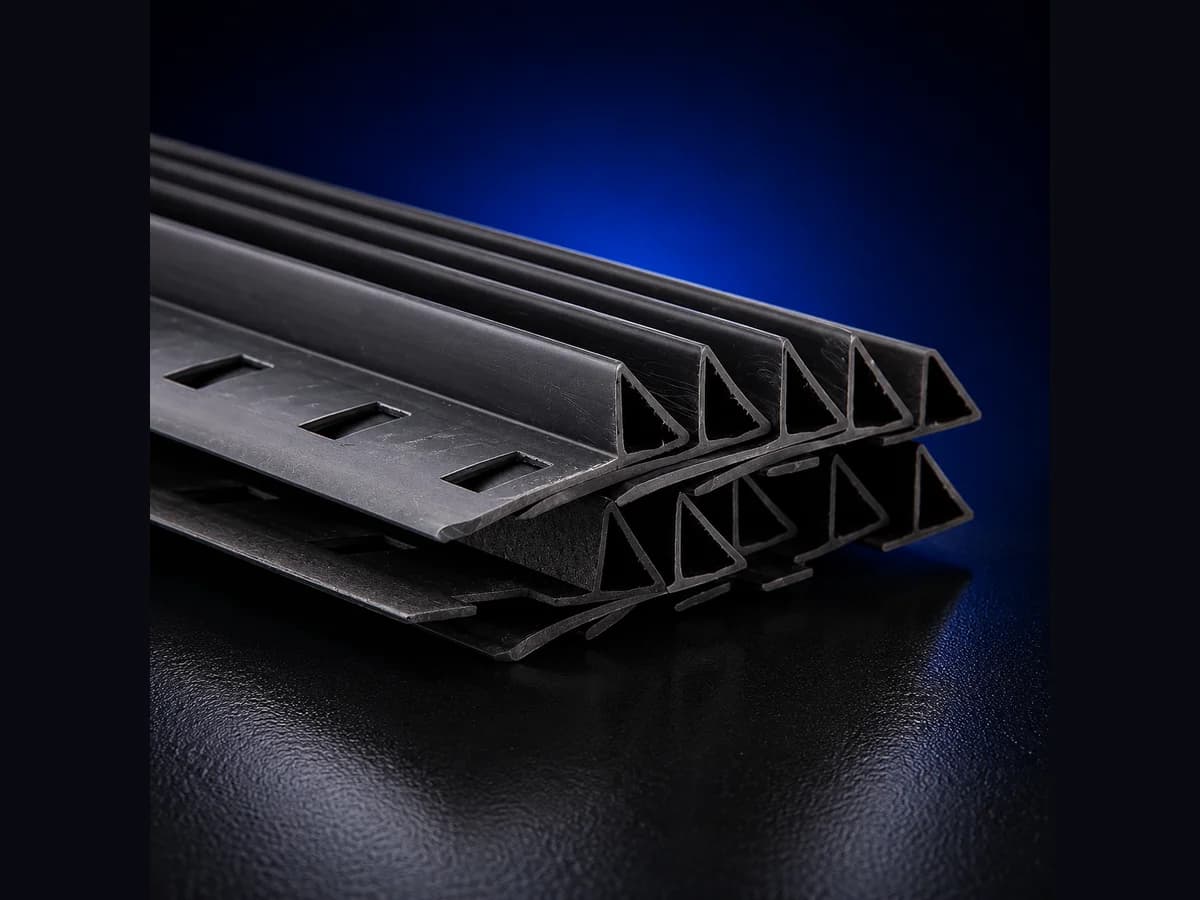
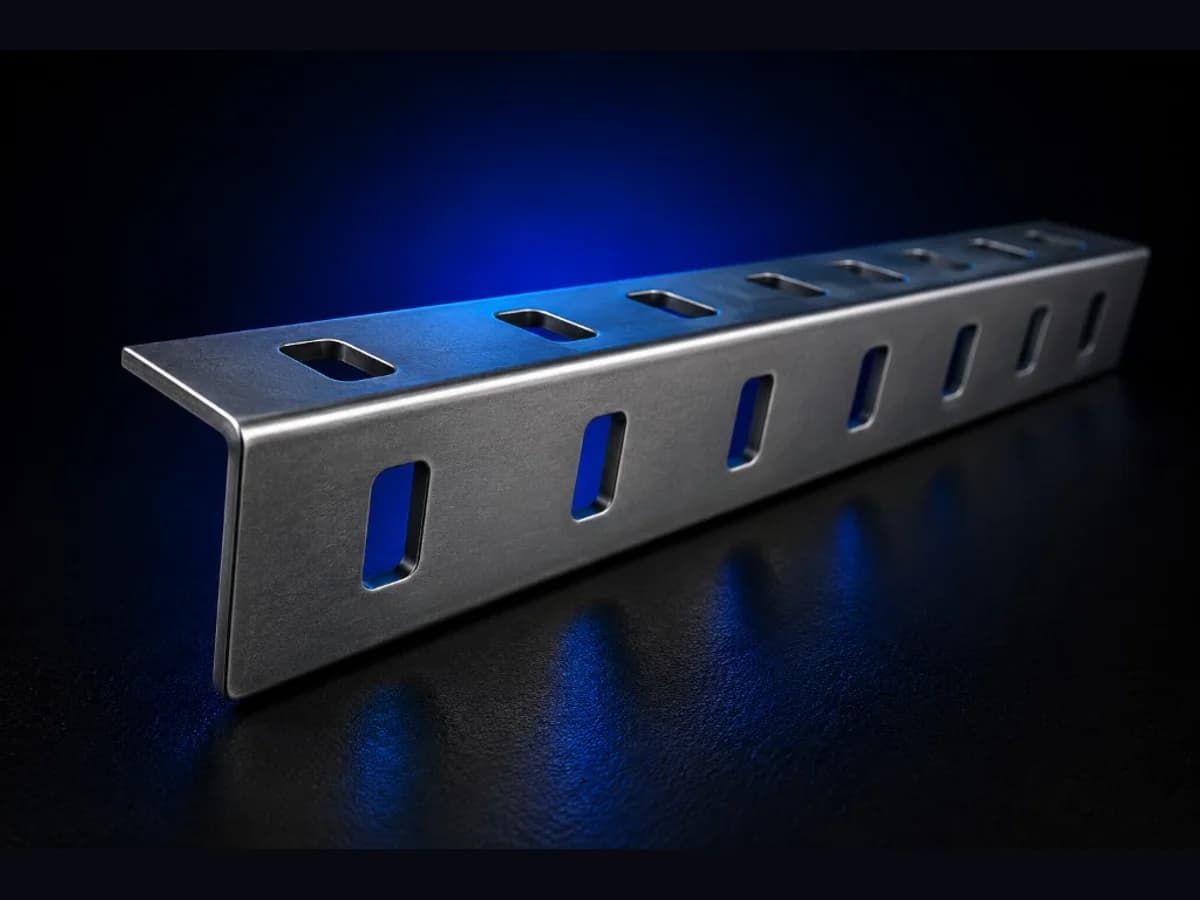
    External corner angles and plastic fillet profiles help form corners, edges and chamfers in concrete work.

  • Formwork Sealing

    Shutter tape, Shutterseal / Groutex and similar products help close joints and gaps before concrete placement and reduce grout leakage.

  • Joint and Finishing Products

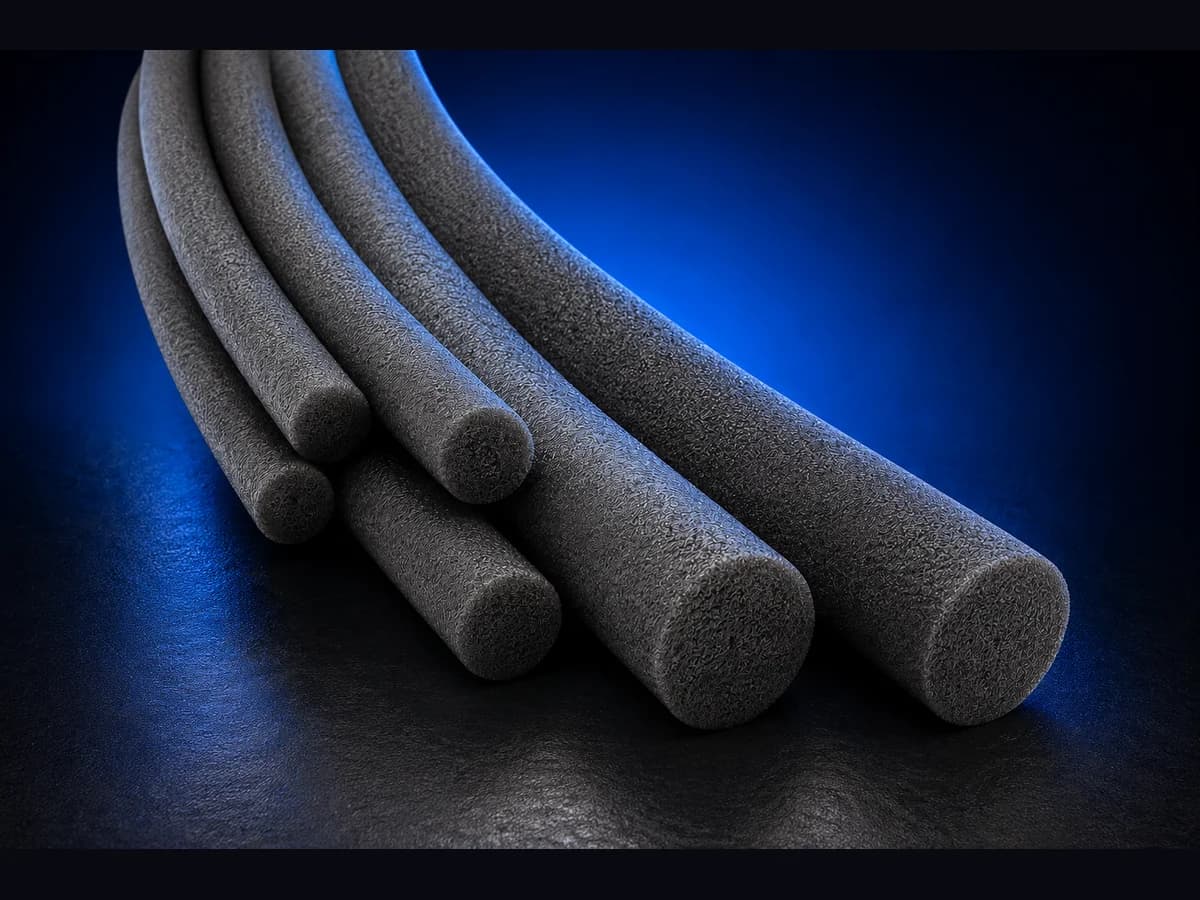
    Joint formers, backer rod and related accessories are used for controlled joints and finishing requirements in concrete construction.

How a Formwork Tie System Works

In many shuttering systems, a tie assembly passes through or between opposing formwork panels to hold the shutters in position during concrete placement.

A typical arrangement can include:

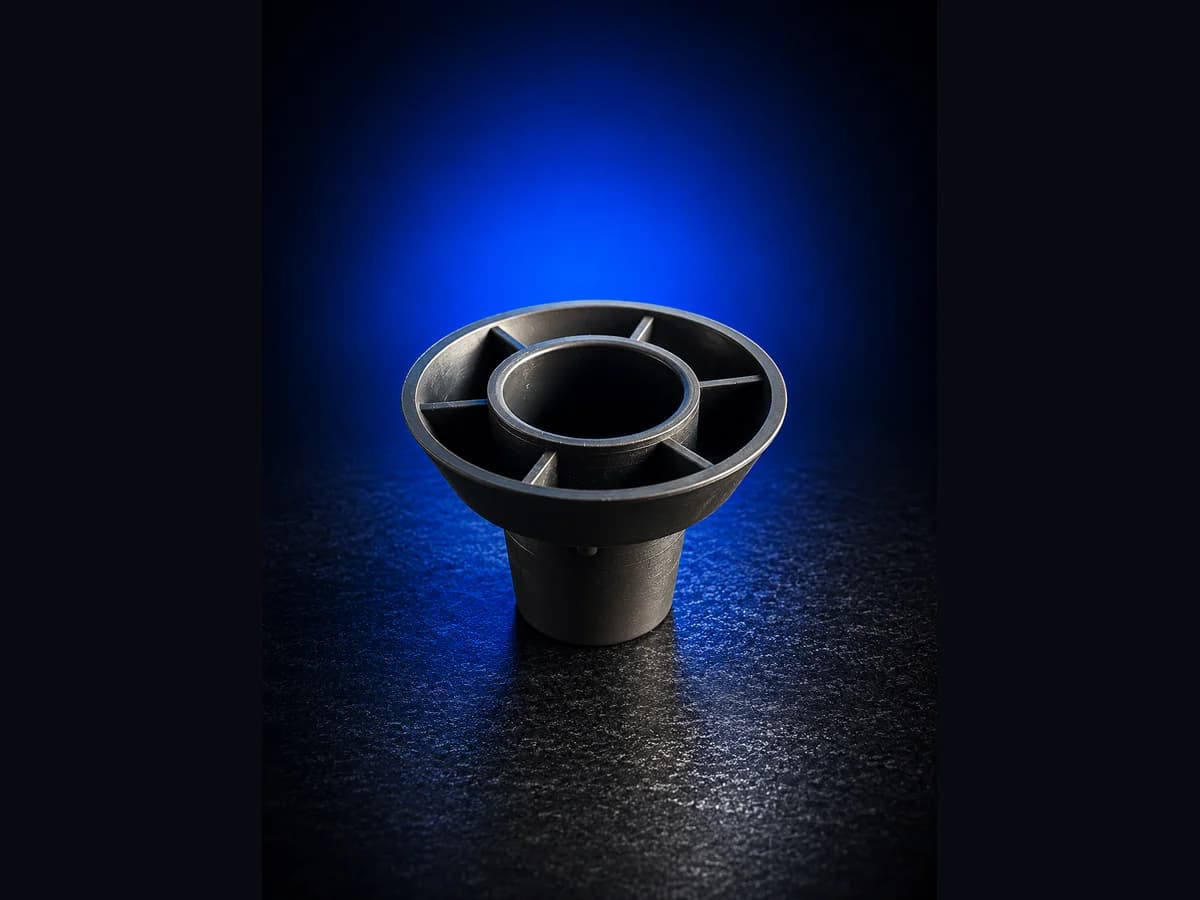
The ferrule tube can create a sleeve around the tie rod and help maintain separation between opposing shutters. Plastic cones fitted at the ends can create a recessed finish around the resulting tie opening.

The exact arrangement and components required depend on the formwork design and system being used. This is not a required arrangement for every project — the complete formwork design, compatibility and installation requirements must be confirmed by the responsible competent person or engineer.

Why Correct Formwork Components Matter

  • System Compatibility

    Formwork hardware must be compatible with the shuttering system and associated components being used.

  • Secure Assembly

    Purpose-made fastening and tie components allow shutters, walers and supporting members to be assembled in a controlled and repeatable manner.

  • Concrete Finish

    Correctly selected profiles, cones and sealing products can help control concrete edges, tie recesses and grout leakage.

  • Reuse and Inspection

    Many mechanical formwork components are reusable, but they should be inspected for wear, damage or deformation before reuse.

Formwork Sealing and Grout Control

Joints between shutter panels can create paths for cement grout to escape during concrete placement.

Products such as shutter tape and compressible shutter sealing materials such as Shutterseal / Groutex are used to close suitable gaps and joints before pouring.

Reducing grout leakage can help produce cleaner concrete edges and joints while reducing unnecessary loss of cement paste.

Surfaces should be prepared correctly and sealing products selected according to the particular formwork application.

Creating Chamfers and Concrete Edges

Plastic fillet corners are fitted to formwork where a chamfered concrete edge is required.

They are commonly used on columns, beams, slabs, precast components and other formed concrete elements.

Konsa supplies reusable plastic fillet profiles in different sizes and configurations, including profiles with fixing lips for different shutter arrangements.

Choosing Formwork Accessories

The correct formwork accessory should be selected according to the shutter system, formwork design and intended application.

Before selecting components, consider:

  • Formwork or shutter system being used
  • Tie system and thread compatibility
  • Required component dimensions
  • Panel and waler arrangement
  • Concrete element being formed
  • Reuse requirements
  • Site installation method
  • Project engineering requirements

Load-bearing formwork components must always be selected and used in accordance with the approved formwork design and site requirements. Compatibility, capacity and installation must be confirmed by the responsible competent person or engineer.

Konsa Formwork Products

Konsa supplies formwork and shuttering accessories covering tie systems, fastening components such as formwork clamps, sealing products, corner profiles and related construction products.

The range includes products for both reusable formwork hardware and consumable formwork applications.

Customers can use the product specifications and product codes on this page to identify suitable components for their existing formwork system.

If compatibility is uncertain, provide Konsa with details of the formwork system, dimensions and required component so that the appropriate product can be identified from the available range.

Need help identifying a formwork component?

Contact Konsa with the product type, dimensions, shutter system or an image of the existing component.

Formwork Products FAQs

What are formwork accessories?

Formwork accessories are components used with shutter panels and supporting structures to assemble, secure, seal and finish temporary moulds used during concrete construction.

What is a through-tie rod used for?

A through-tie rod forms part of a compatible formwork tie system and connects opposing shutters so that the formwork assembly can be secured in accordance with the approved formwork design.

What is a ferrule tube used for?

A ferrule tube can be positioned around a through-tie rod between opposing shutters. It creates a sleeve around the rod and can allow the tie rod to be removed and reused after the concrete has been cast.

What are plastic formwork cones used for?

Plastic cones fit onto compatible ferrule tubes at the shutter face. After stripping, they can be removed to leave a controlled recess around the tie opening for subsequent finishing or grouting.

Why are shutter sealing products used?

Shutter sealing products are used to close suitable joints and gaps between formwork surfaces before concrete placement, helping reduce cement grout leakage.

What are plastic fillet corners used for?

Plastic fillet corners are fixed to formwork to create a chamfered edge on the finished concrete component. They are commonly used on columns, beams, slabs and precast elements.

Can formwork hardware be reused?

Many mechanical formwork components are designed for repeated use, provided they remain suitable for service. Components should be inspected for damage, deformation, excessive wear or damaged threads before reuse.

Can any tie rod, nut or washer be used together?

No. Thread type, dimensions, system compatibility and the complete engineered formwork arrangement must be confirmed before components are used together.

Can Konsa help identify an existing formwork component?

Yes. Customers can provide the product type, dimensions, formwork system information or photographs of an existing component and Konsa can help identify suitable products from the available range.